
Oltingue





18St. Martin's Square
68480Oltingue
CallMail: Website
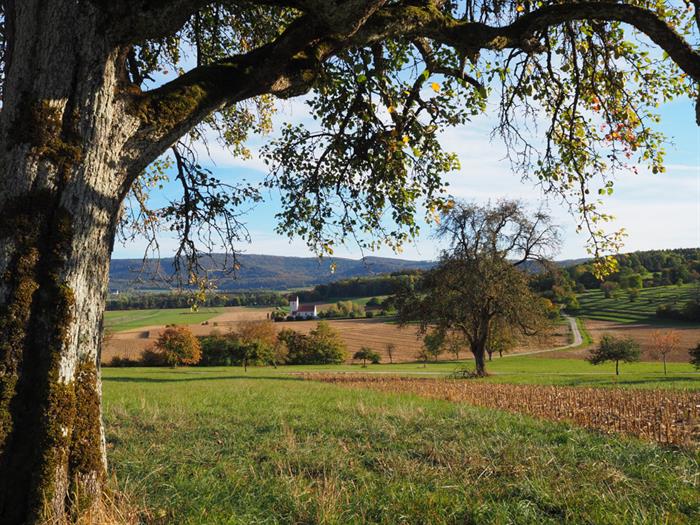
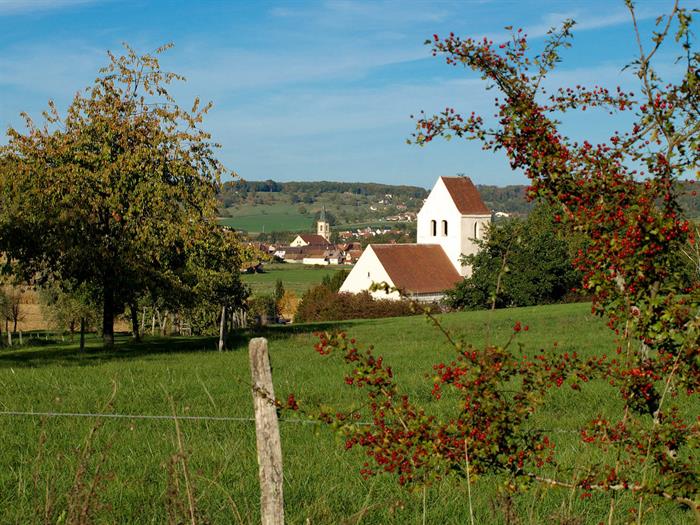
Oltingue was the most populated of the 33 villages in the seigneury of Ferrette before the Thirty Years' War. The village still bears the marks of its former terraced agriculture, which favored vineyards thanks to a dry climate attributed to its location at the foot of a hill, sheltered from atmospheric currents. The Ill River flows through the commune, which boasts numerous sites to discover.
To have :
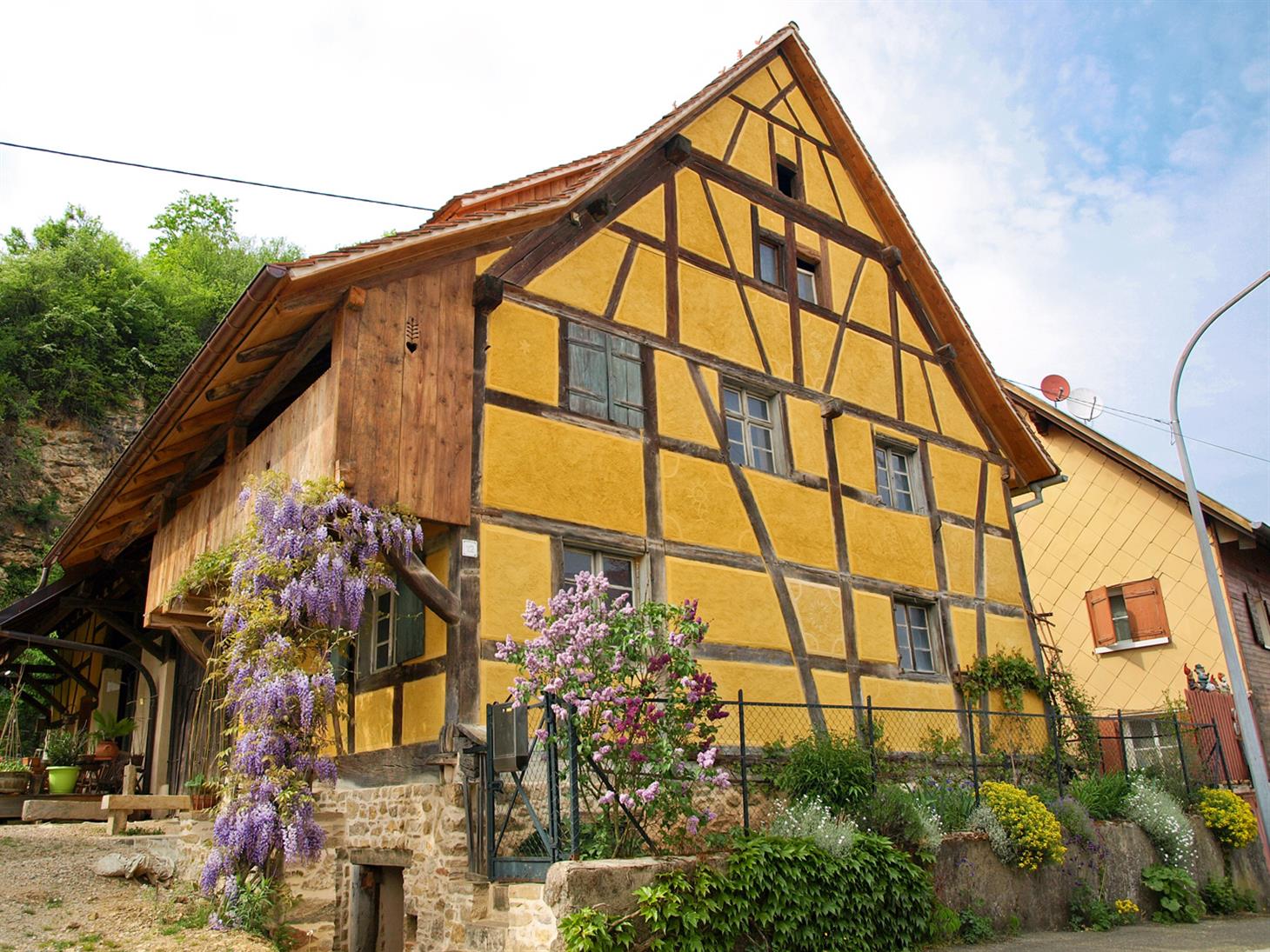
- The Oltingue Peasant Museum : created in the 70s, it presents in a half-timbered peasant house collections gathered by Abbot Etienne Bilger (1901-1980) and allows us to understand how the Sundgauvians lived before the rapid evolution of the countryside in the 20th century.
- The church of Saint-Martin-des-Champs : former mother church of three villages, classified as a Historical Monument and dating from the 14th century , it contains tombs from the 7th and 8th centuries highlighted and frescoes prior to 1350 representing characters from the Old Testament and saints.
- The Church of Saint-Martin : Built in 1824 by the bailiff of Ferrette, who found the Church of Saint-Martin-des-Champs too small and especially too far away, it contains a Callinet organ classified as a Historical Monument in 1973. Magnificent interior furnishings are also to be discovered.
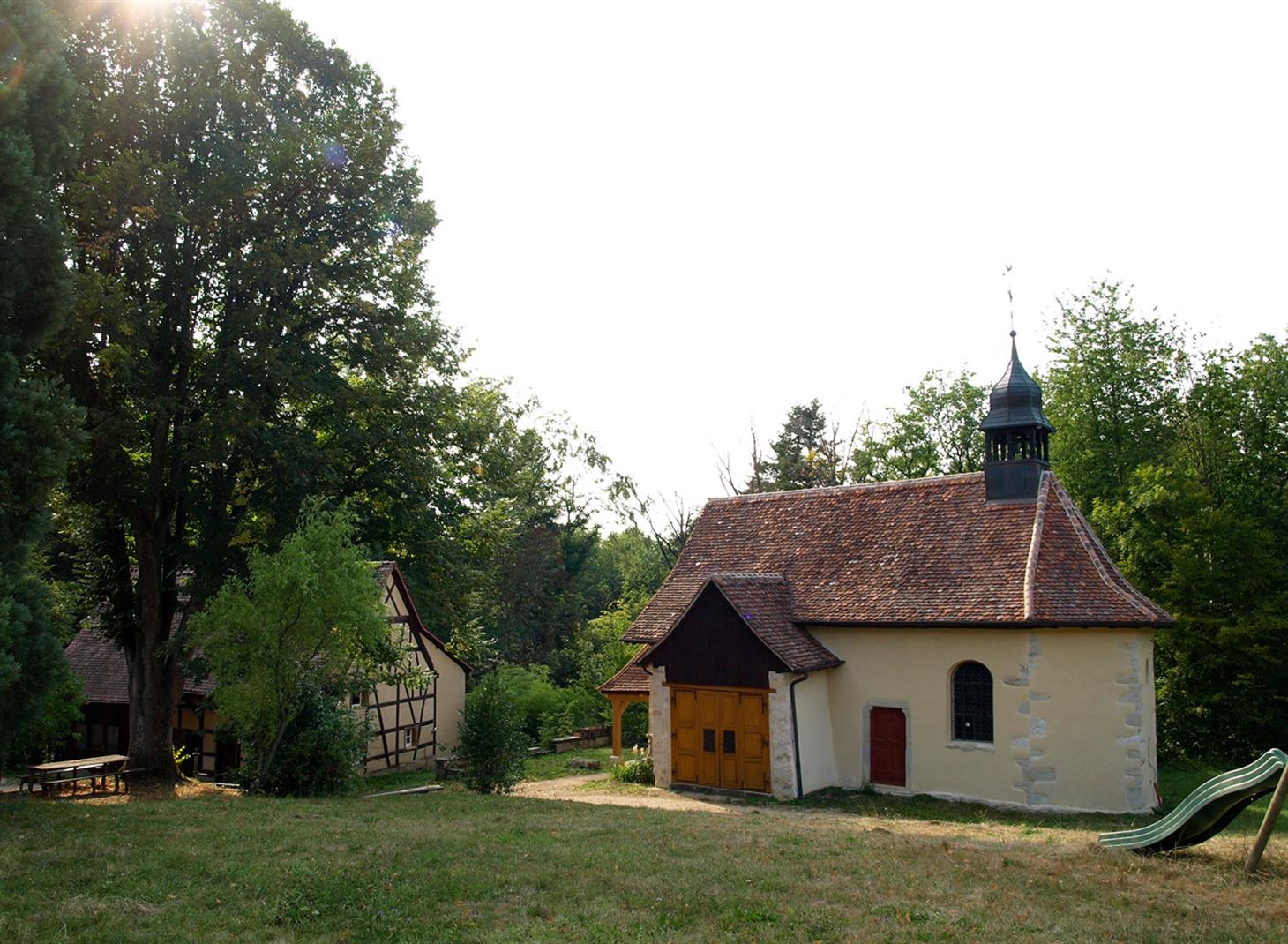
- The Saint-Brice Chapel : documented in 1361 and partially rebuilt in 1669, it stands isolated 3 km northeast of the village of Oltingue in a clearing. Saint-Brice was once a renowned pilgrimage site, appearing on the 1576 map of Alsace under the name Saint-Brixi. In 1567, a hermitage was built near the chapel; today, it has been replaced by a farm inn that attracts many tourists as soon as the weather warms up.
- The path of the tall trees starting from the St. Brice chapel car park
FAQ – Discover Oltinge
1. What is the historical importance of Oltingue in the Sundgau?
Before the Thirty Years' War, Oltingue was the most populated of the 33 villages in the seigneury of Ferrette. Its location at the foot of a hill, sheltered from the wind, allowed it to develop terraced farming, ideal for vineyards. This ancient system has left a lasting mark on the landscape and the agricultural and historical identity of the village.
2. What landscapes and natural features characterize Oltingue?
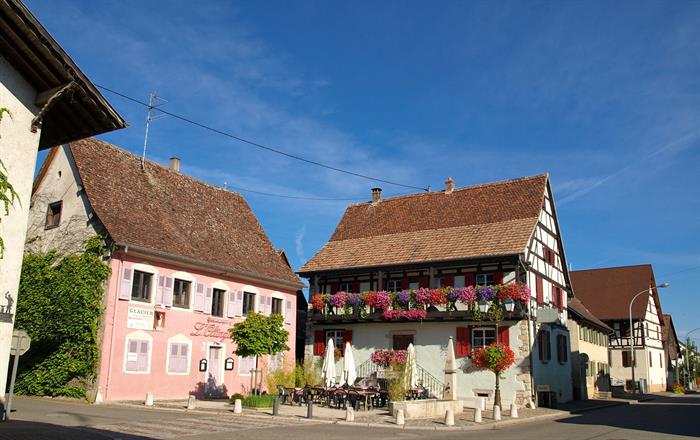
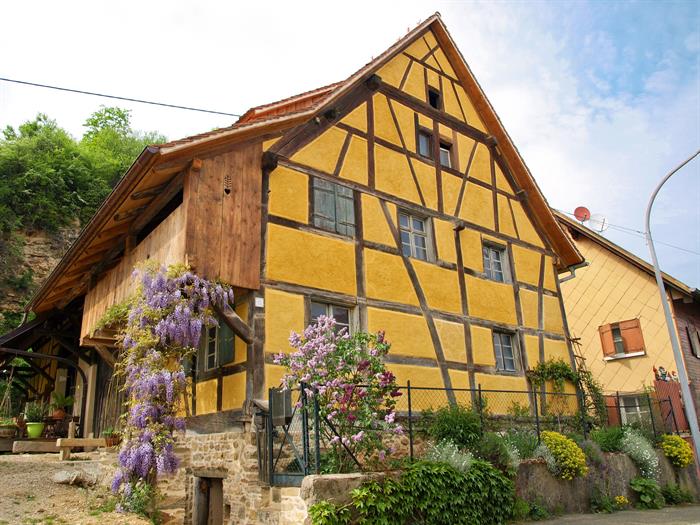
Oltingue boasts a rich and varied natural setting. The Ill River flows through the village, lined with numerous half-timbered houses, and contributes to the diversity of sites to discover. The hillsides, clearings, and surrounding forests offer wonderful opportunities for walks, particularly to reach the Auberge Saint Brice on the Franco-Swiss border. The ancient terraced fields, still visible today, bear witness to the inhabitants' adaptation to their environment and reinforce the village's authentic character.
3. What can you discover at the Oltingue Peasant Museum?
The Oltingue Peasant Museum, created in the 1970s, is housed in a half-timbered peasant house. It displays collections assembled by Abbot Étienne Bilger, illustrating the daily life of the Sundgauvians before the profound rural changes of the 20th century.¿ century. Tools, household objects and furniture allow us to understand the traditions and lifestyles of the past.
4. Why is the Saint-Martin-des-Champs church remarkable?
Classified as a Historical Monument, the Saint-Martin-des-Champs church dates from the 14th century¿ It dates from the 7th century and was the mother church of three villages. It houses tombs of the 7th century.¿ and VIII¿ centuries, as well as frescoes predating 1350 depicting biblical figures and saints. This place constitutes an exceptional testimony to the antiquity and spiritual richness of the territory.
5. What can one see in the Saint-Martin church in Oltingue?
Built in 1824, the Church of Saint-Martin was erected to meet the needs of the inhabitants, the old church being considered too far away. It houses a Callinet organ, listed as a Historical Monument since 1973, as well as high-quality interior furnishings. The ensemble reflects the artistic and religious expertise of the 19th century.¿ century in Alsace.
6. Why visit the Saint-Brice chapel and its surroundings?
The Saint-Brice chapel, documented as early as 1361, is located in a clearing three kilometers from Oltingue. A former pilgrimage site, it is now surrounded by a peaceful natural setting. Nearby, the path lined with tall trees invites leisurely strolls. A renowned inn, built on the former site of the hermitage, attracts many visitors during the warmer months.